 Accessories
 Disposables
 POD System
 E-Liquids

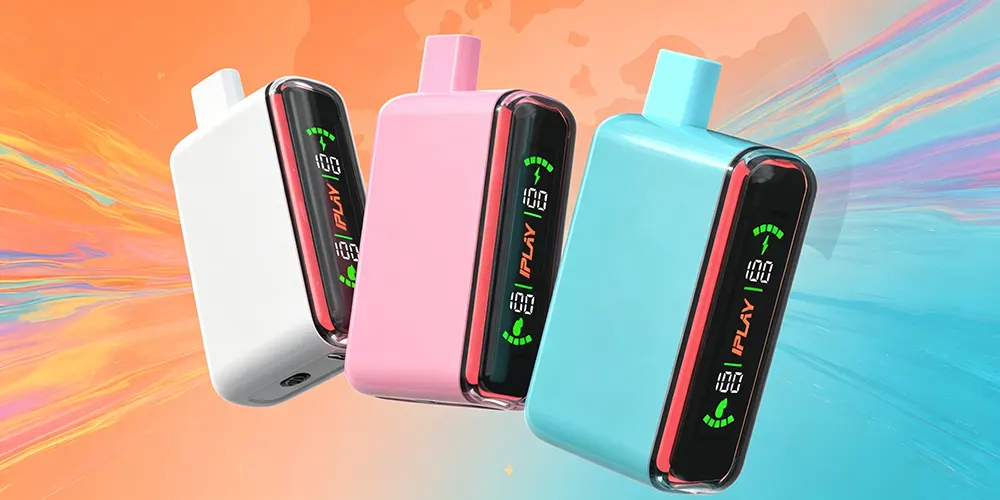
When people talk about a vape factory, many only think about “making products.” But in real life, a modern vape factory does much more than that. It is a full system that includes design, testing, and production working together.
If you want to build a vape brand or buy wholesale products, understanding these factory capabilities will help you make better decisions and avoid costly mistakes. This guide explains everything in a simple and clear way.
1. Product Design: Where Every Idea Starts
Design is the first step in vape manufacturing. A good vape factory does not just copy products. It creates and improves them.
What happens in the design stage:
-
- Product shape and size planning
- Mouthpiece and airflow design
- Battery structure design
- Flavor system planning
- Brand packaging design
At this stage, the goal is simple: make the product easy to use, safe, and attractive in the market.
2. Testing: Making Sure Everything Works Safely
After design comes testing. This step is often ignored by beginners, but it is one of the most important parts of vape production.
Main types of testing include:
- 1. Battery testing
Checking if the battery is stable, safe, and long-lasting.
- 2. Heating system testing
Making sure the coil heats evenly and produces smooth vapor.
- 3. Leak testing
Preventing oil leakage during transport and use.
- 4. Flavor testing
Ensuring taste consistency in every batch.
- 5. Drop and pressure testing
Simulating real-life damage during shipping and use.
Testing is not just about quality—it is about safety. A reliable factory will test every batch before shipping to reduce product failure in the market.
3. Production: Turning Ideas into Real Products
Production is where everything comes together. A vape factory usually has multiple production lines working at the same time.
Key production steps:
-
- Raw material preparation
- Component assembly
- Filling e-liquid
- Sealing and final assembly
- Quality inspection
- Packaging and labeling
In a good factory, production is highly organized. Each step follows strict rules to make sure every product is the same quality.
4. Quality Control System: The Hidden Backbone
Behind design, testing, and production, there is one more important system: quality control (QC).
A strong vape factory usually has QC checks at every stage:
-
- Incoming material inspection
- In-process inspection
- Final product inspection
This system helps reduce defects and ensures that only safe and stable products reach the market.
5. OEM & ODM Capability: Building Your Own Brand
Modern vape factories are not just manufacturers. They are also brand builders.
OEM service:
You provide the design, and the factory produces it.
ODM service:
The factory designs and develops products for you, which you can brand as your own.
This is very useful for:
-
- Vape wholesalers
- Startup brands
- Distributors entering new markets
A factory with strong OEM/ODM support can help you launch products faster and reduce development cost.
6. Choosing the Right Vape Factory Partner
When selecting a vape manufacturer, always check:
-
- Design capability
- Testing standards
- Production capacity
- Quality control system
- OEM/ODM services
These factors decide whether your business can grow smoothly or not.
7. A Reliable Example for Global Buyers
For businesses looking for a stable vape manufacturing partner, RoxVape is one example of a factory-focused platform that supports design, production, and wholesale supply.
Working with a direct factory source like this can help reduce middle costs, improve product consistency, and support long-term brand development.
Final Thoughts
A vape factory is not just a production site. It is a complete system built around design, testing, and manufacturing. If all three parts work well together, the result is a safe, stable, and market-ready product.
For anyone planning to enter the vape industry in 2026, understanding these factory capabilities is not optional—it is essential for building a strong and sustainable business.