
 Accessories
 Disposables
 POD System
 E-Liquids

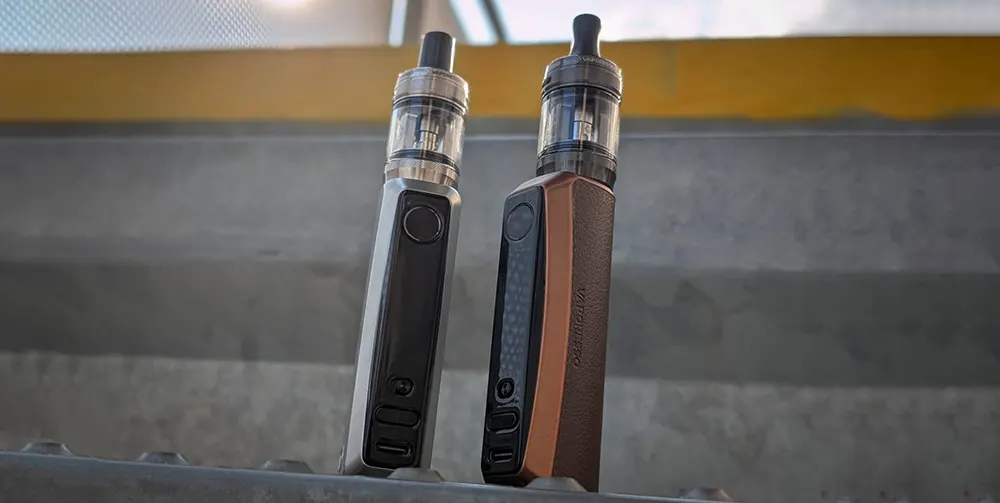
When people buy vape products, they often see labels like TPD, CE, FCC, and RoHS. These letters may look confusing, but they are very important. They show that a vape product follows safety rules and quality checks.
In this article, we will explain each standard in simple words. This will help you understand what they mean and why they matter for vape safety and product quality.
Why Vape Safety Standards Matter
Vape products use batteries, liquids, and electronic parts. If they are not made properly, they can cause safety risks like overheating, poor performance, or harmful materials.
Safety standards help to:
-
- Protect users
- Control product quality
- Make sure products follow legal rules
- Build trust between brands and customers
In short, these standards are like “quality passports” for vape products.
What is TPD (Tobacco Products Directive)?
TPD is a rule used in the European Union. It controls how vape products are made and sold in Europe.
Key points of TPD:
-
- Limits nicotine strength in e-liquids
- Requires child-safe packaging
- Sets tank and pod size limits
- Requires health warnings on labels
- Requires product notification before sale
TPD is mainly focused on consumer safety and responsible use.
If a vape product is TPD-compliant, it means it is allowed to be sold in many European markets.
What is CE Certification?
CE means “Conformité Européenne” (European Conformity). It shows that a product meets EU safety, health, and environmental rules.
For vape products, CE means:
-
- Electrical safety is tested
- Battery safety is controlled
- Materials are safe for use
- Product follows EU regulations
CE is not just for vapes. It is used for many electronic products like chargers and headphones. If you see CE on a vape device, it means it has passed basic safety checks for Europe.
What is FCC Certification?
FCC stands for Federal Communications Commission (USA). This standard is mainly about electronic interference.
For vape devices, FCC means:
-
- The device does not disturb other electronics
- Wireless signals are safe
- The product meets US electronic standards
For example, a vape device should not interfere with Wi-Fi, phones, or other devices. FCC is especially important for products sold in the United States.
What is RoHS?
RoHS means “Restriction of Hazardous Substances”. This standard limits dangerous materials in electronics.
RoHS restricts substances like:
-
- Lead
- Mercury
- Cadmium
- Certain flame retardants
For vape products, RoHS means:
-
- Safer materials are used
- Less environmental pollution
- Lower health risks from toxic substances
RoHS is widely required in Europe and many global markets.
How These Standards Work Together
Each certification focuses on a different area:
-
- TPD → Rules for vape products in Europe (nicotine, packaging, limits)
- CE → General safety and quality in the EU
- FCC → Electronic safety in the US
- RoHS → Safe materials and environmental protection
A high-quality vape product often meets multiple standards at the same time. This is a strong sign that the product is safe, legal, and well-made.
Why Buyers Should Pay Attention
Whether you are a retailer, distributor, or user, these standards help you:
-
- Avoid low-quality products
- Reduce safety risks
- Choose legal products for your market
- Build customer trust if you sell vape products
In simple terms: certifications = fewer problems later
Final Thoughts
Vape safety standards like TPD, CE, FCC, and RoHS are not just technical labels. They are important rules that protect users and improve product quality.
When choosing vape products, always check for these certifications. They are a sign that the product has been tested and meets international safety requirements.
In a market that changes fast, safety standards are the quiet heroes that keep everything stable—no drama, just protection.